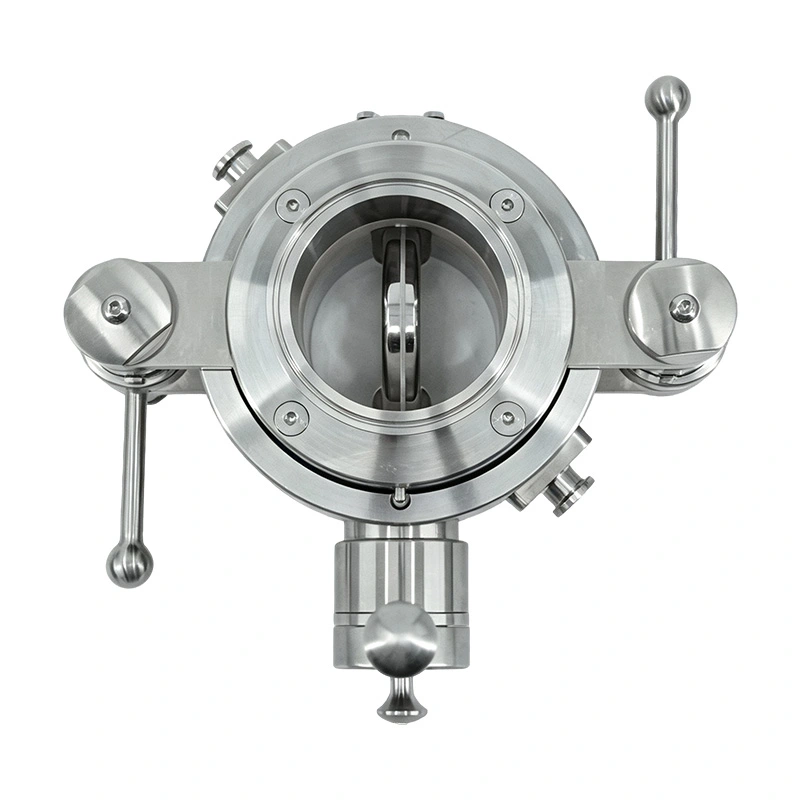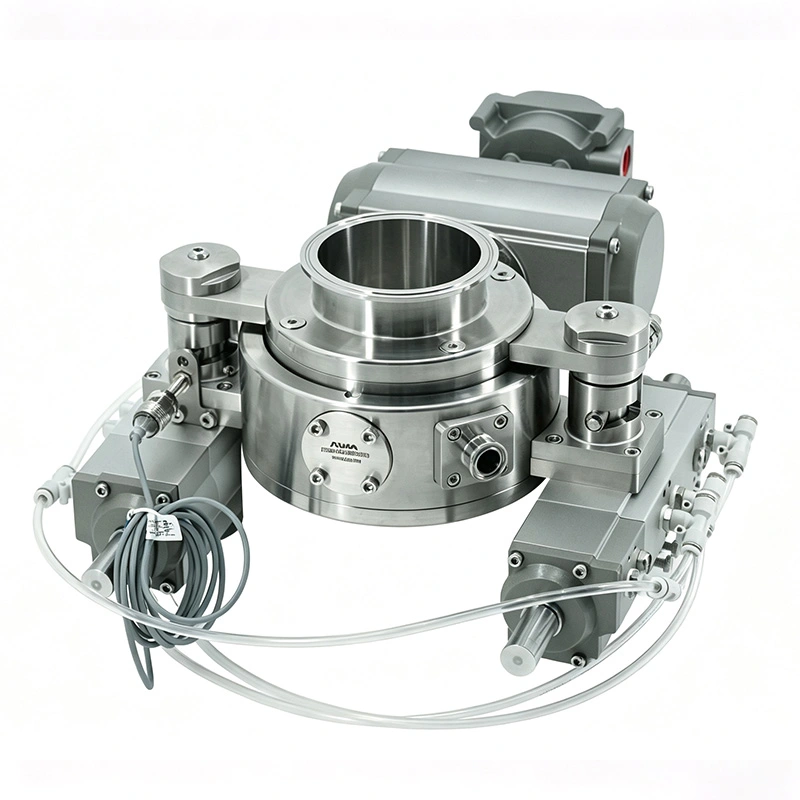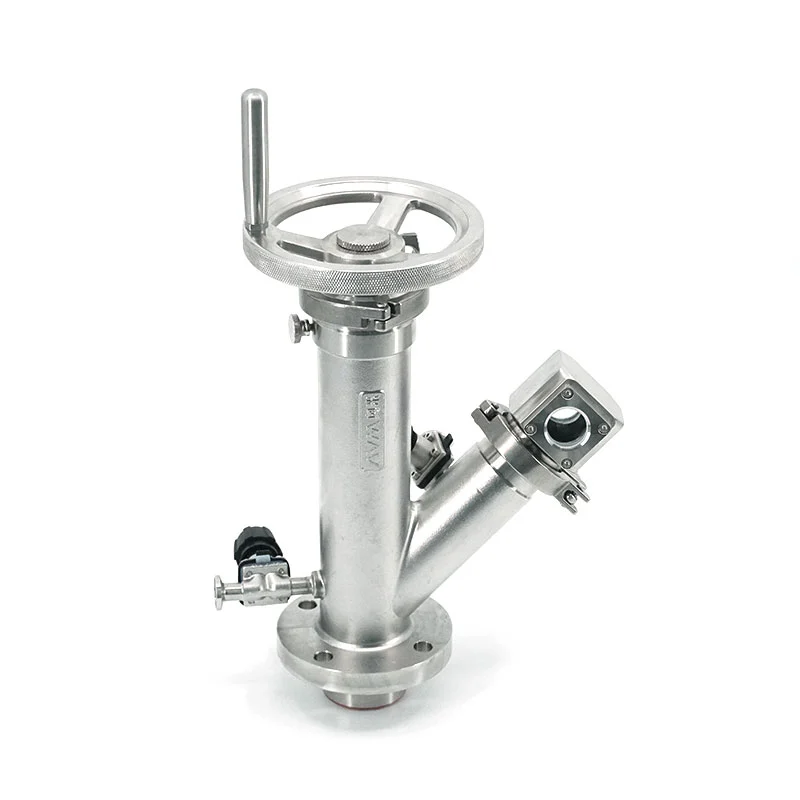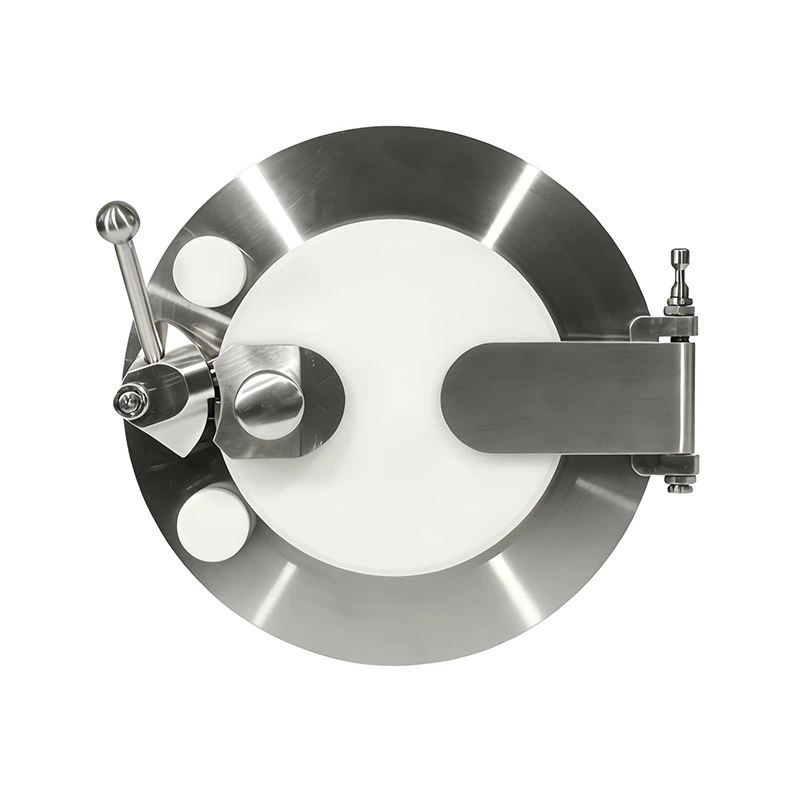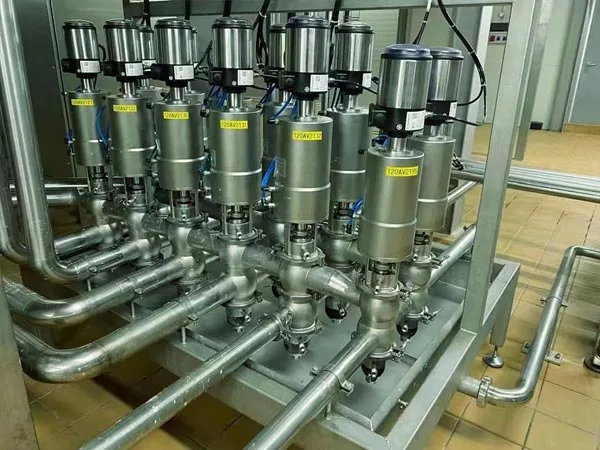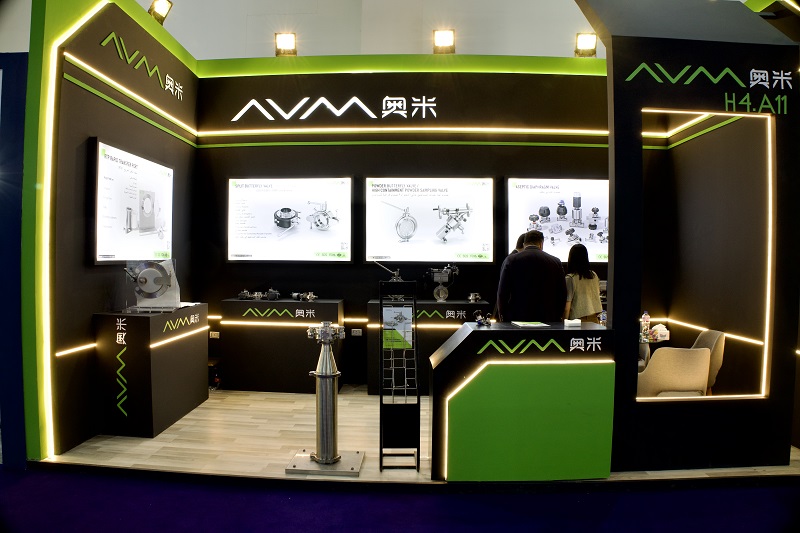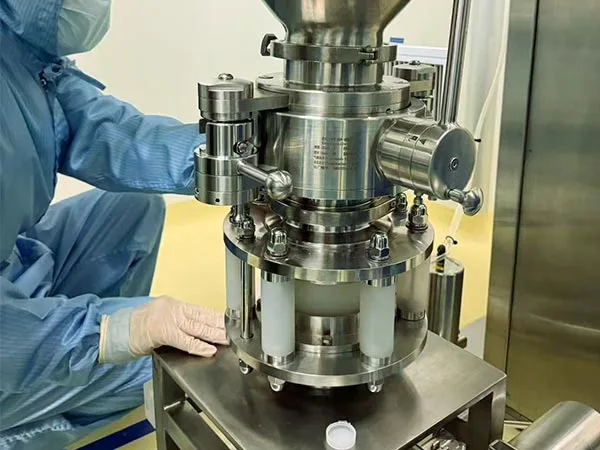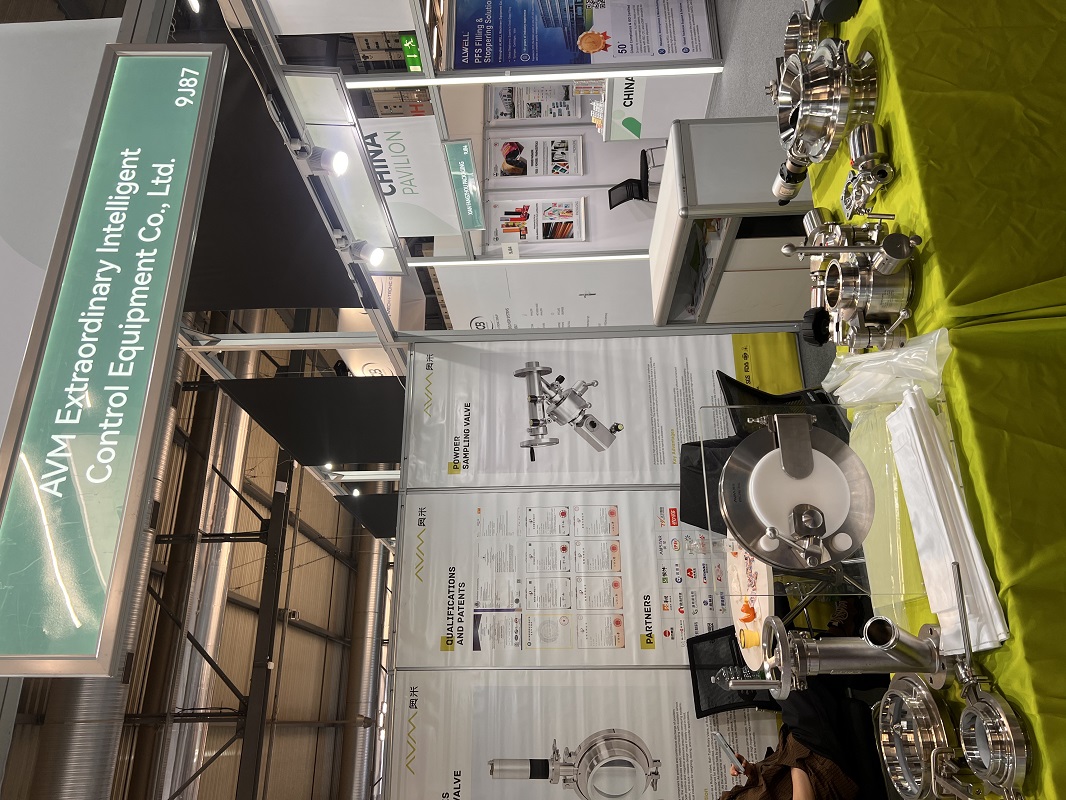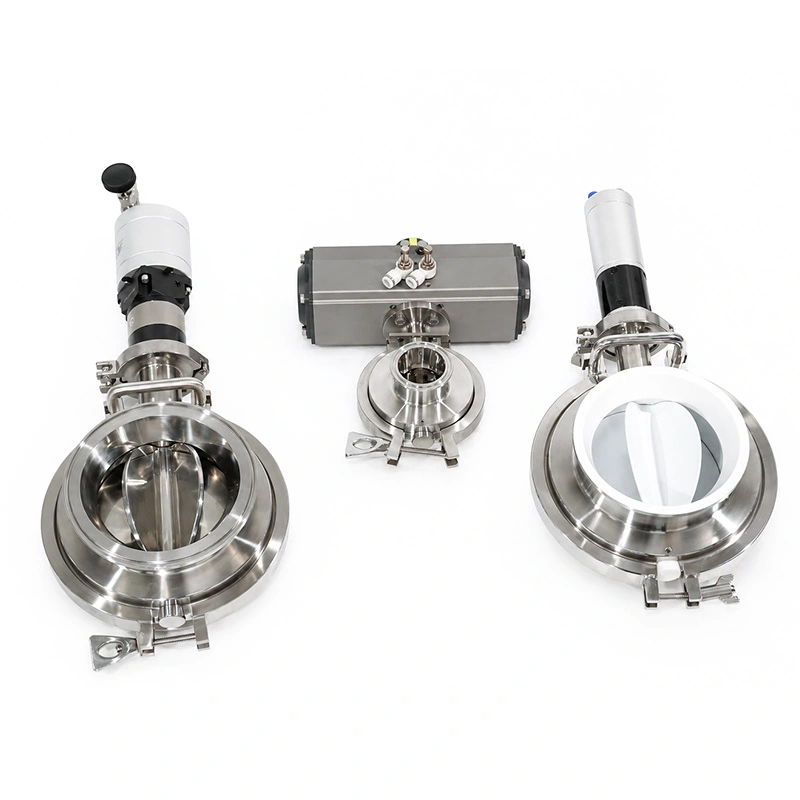
AVM Sanitary Single-Seat Valves are a hygienic flow control solution designed for pharmaceutical, biotechnology, food & beverage, dairy and high-purity liquid processing systems. AVM integrates valve design, precision manufacturing and quality inspection, providing sanitary valves that meet 3-A Sanitary Standards, ISO 9001, CE, and FDA requirements. Manufactured with 316L stainless steel and optimized sealing structures, the valve is developed for applications requiring clean operation, reliable shut-off and accurate liquid control.
With smooth internal surfaces, minimized dead spaces and CIP/SIP compatibility, AVM sanitary valves help reduce residue accumulation and simplify cleaning procedures. Different actuator configurations, connection types and automation options are available to match various hygienic production lines, including filling equipment, fermentation systems, mixing tanks and sterile processing units.
According to different process requirements, AVM Sanitary Single-Seat Valve can be divided into several categories to meet different flow control purposes. Choosing the correct valve type helps improve production efficiency, reduce maintenance frequency and maintain hygienic standards throughout the process system.
The shut-off type is mainly used for opening and closing liquid pipelines. It provides reliable isolation between different process sections and prevents unwanted fluid movement during production, cleaning or maintenance. The optimized sealing structure ensures stable closing performance even under frequent operation conditions.
This type is widely used in beverage production lines, dairy systems, pharmaceutical liquid transfer and sterile processing applications where leakage prevention and product protection are important.
The diverter type is designed for directing liquid flow between different pipelines or process routes. It allows manufacturers to switch product paths efficiently without changing the piping structure, making it suitable for multi-stage production systems.
In food, dairy and pharmaceutical applications, the diverter structure helps improve process flexibility while maintaining hygienic separation between different liquid streams.
The control type provides more precise adjustment of liquid flow according to production requirements. Combined with pneumatic actuators, position sensors or intelligent control heads, it can achieve automatic flow regulation and integration with PLC or SCADA systems.
This design is suitable for processes requiring accurate flow management, such as mixing, dosing, filling and fermentation control.
AVM valves use 316L stainless steel as the main wetted material, providing excellent corrosion resistance and compatibility with high-purity fluids. The internal surface can be polished according to hygienic requirements, reducing product adhesion and improving cleanability.
Seal materials can be selected according to different media characteristics, temperature ranges and sterilization requirements, ensuring stable performance in various processing environments.
To fit different piping systems, AVM provides various sanitary connection solutions, including clamp, welded and customized connection designs. The compact structure allows easy installation with tanks, pumps, filling machines and other process equipment.
The flexible connection design helps reduce installation difficulties and supports customized solutions for different production layouts.
Modern hygienic production lines require efficient cleaning and sterilization processes. AVM Sanitary Single-Seat Valves are designed to support CIP and SIP operations, allowing cleaning agents and steam sterilization procedures to pass through the system effectively.
The hygienic internal structure reduces residue retention and helps maintain stable production quality during continuous operation.
For automated production environments, AVM valves can be equipped with pneumatic actuators, feedback sensors and intelligent control units. These configurations allow operators to monitor valve status and coordinate valve actions with automated process equipment.
This automation capability improves production consistency and reduces manual intervention in complex processing systems.
AVM Sanitary Single-Seat Valves are widely applied in industries where hygiene, reliability and process control are critical. In pharmaceutical and biotechnology production, it is used for purified water, sterile solutions and liquid medicine processing.
In food and beverage industries, the valve supports applications including dairy products, beverages, sauces and liquid ingredients. It is also suitable for fine chemical and high-purity liquid systems that require corrosion resistance and clean processing conditions.
AVM follows a complete quality management system based on ISO 9001 standards. Each valve undergoes inspection procedures covering material verification, machining accuracy, sealing performance and operational testing before delivery.
With certifications including 3-A Sanitary Standards, CE and FDA compliance, AVM provides hygienic valve solutions that support demanding international processing requirements.
Selecting the right sanitary valve directly affects production safety, cleaning efficiency and long-term operating costs. AVM combines hygienic design, reliable sealing technology and flexible automation options to provide solutions for different liquid processing requirements.
From standard shut-off applications to complex automated process systems, AVM supports customers with customized configurations, professional technical assistance and stable product quality for global hygienic industries.
A Sanitary Single-Seat Valve is mainly used for hygienic liquid control, including shut-off, diversion and flow regulation in pharmaceutical, food, beverage, dairy and biotechnology processing systems. It helps maintain clean production conditions and prevents contamination risks.
AVM sanitary valves are mainly manufactured from 316L stainless steel for wetted components. Different sealing materials can be selected according to operating temperature, chemical compatibility and sterilization requirements.
Yes. AVM valves can be equipped with pneumatic actuators, position sensors and intelligent control heads to connect with PLC, SCADA and other automated process control systems.
Yes. The hygienic structure supports CIP and SIP processes, helping reduce manual cleaning requirements and improving production efficiency in sterile and high-purity applications.